
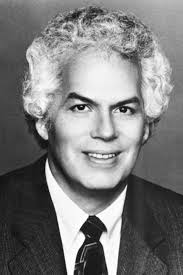

This inventor holds 52 USPTO granted patents and 6 published patent applications, primarily in Prion Research (CPC class G01N). Top assignees: University of California, Scripps Research Institute, United States of America, as Represented by the Secretary of Agriculture. Active years: 1996-2017. Nobel Prize laureate.
Inventors with similar research interests:
Company Filing History:
 45 out of 15,977
 5 out of 1,204
 1 out of 1,215
 Years Active: 1996-2017
Areas of Expertise:
Title: Stanley B. Prusiner: A Pioneer in Prion Research
Introduction
Stanley B. Prusiner is a renowned scientist based in San Francisco, California, recognized for his groundbreaking work in prion research. His innovative contributions to the field have earned him a remarkable number of 52 patents, showcasing his commitment to advancing scientific knowledge and therapeutic approaches.
Latest Patents
Prusiner's latest innovations include two notable patents. The first patent, titled "Isotopic labeling for the measurement of global protein levels and turnover in vivo," describes a method in which isotopically labeled amino acids are introduced into the diet of test subjects. This technique ensures that a significant proportion of these labeled amino acids are incorporated into newly synthesized proteins. By collecting tissue samples at various times, scientists can extract and analyze different proteins to ascertain their amounts and patterns of isotopic labeling. This methodology, combined with proteolytic digestion and mass spectrometry, enables researchers to measure protein turnover rates relating to thousands of different proteins in vivo.
The second patent involves "High-affinity monoclonal anti-prion antibodies." This patent discloses peptide sequences that specifically bind to infectious prion proteins, paving the way for the development of antibodies and therapeutic agents targeting these proteins.
Career Highlights
Throughout his distinguished career, Stanley B. Prusiner has made significant contributions to the scientific community, particularly through his work at the University of California and The Scripps Research Institute. His relentless pursuit of knowledge and innovation in the field of prion biology has established him as a leading figure in understanding and combating prion-related diseases.
Collaborations
Prusiner has collaborated with talented researchers, including Jiri G. Safar and Michael R. Scott, who have played essential roles in advancing prion research alongside him. These collaborations have resulted in numerous published studies and patents, further emphasizing the importance of teamwork in scientific advancements.
Conclusion
Stanley B. Prusiner's innovative spirit and dedication to research have profoundly impacted the field of prion science. His achievements, as evidenced by his extensive patent portfolio, continue to inspire researchers and inventors striving to find solutions to complex biological challenges. As his work progresses, Prusiner's contributions will undoubtedly leave a lasting legacy in the realm of biomedical innovation.