
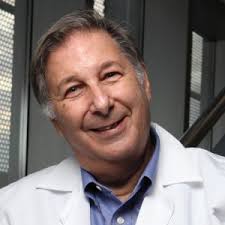
This inventor holds 36 USPTO granted patents and 3 published patent applications, plus 5 CIPO patents and 7 EPO patents, primarily in Nucleic Acid Detection. Top assignees: The Public Health Research Institute of the City of New York, Inc., Columbia University, Rutgers, The State University of New Jersey. Active years: 1988-2023.
Location History:
- New York, NY (US) (1990 - 1997)
- Bronx, NY (US) (1988 - 1999)
- Riverdale, NY (US) (1996 - 2023)
Company Filing History:
 14 out of 29
  10 out of 2,551
 4 out of 1,494

Years Active: 1988-2023
Areas of Expertise:
Title: The Innovations of Fred Russell Kramer
Introduction
Fred Russell Kramer, a prominent inventor based in Riverdale, NY, has made significant contributions to the field of nucleic acid amplification. With an impressive portfolio of 36 patents, his work is instrumental in advancing genetic research and diagnostics.
Latest Patents
Kramer’s latest innovations include the development of multiplex nucleic acid assay methods capable of detecting closely related alleles. This invention discloses multi-part primers designed for primer-dependent nucleic acid amplification methods. Additionally, he has created highly selective nucleic acid amplification primers, which detail the use of these primers in enhancement of reactions such as DNA amplification. Both patents encompass related reagent kits and oligonucleotides essential for performing the methods effectively.
Career Highlights
Throughout his distinguished career, Fred Russell Kramer has worked with esteemed institutions, including the Public Health Research Institute of the City of New York, Inc. and Columbia University in the City of New York. His research has paved the way for numerous advancements in molecular biology.
Collaborations
Kramer has collaborated with notable coworkers such as Sanjay Tyagi and Paul M. Lizardi, further fostering an environment of innovation and discovery in the realm of genomic research.
Conclusion
Fred Russell Kramer’s contributions to nucleic acid amplification technology showcase his innovative spirit and dedication to scientific progress. His patents not only enhance our understanding of genetics but also provide essential tools for future research and applications in various fields.