
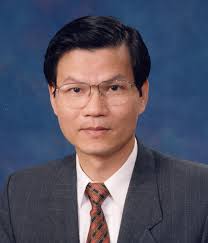

This inventor holds 174 USPTO granted patents and 37 published patent applications, plus 16 CIPO patents and 23 EPO patents, primarily in Glycoengineering Techniques (CPC class C07K2317-24). Top assignees: Academia Sinica, Scripps Research Institute, G.d. Searle & Company. Active years: 1984-2026.
Data source: USPTO (United States Patent and Trademark Office) public patent records. Weekly synchronization. How IDiyas builds this profile
Inventors with similar research interests:
Location History:
- Cambridge, MA (US) (1984)
- College Station, TX (US) (1991 - 1996)
- San Diego, CA (US) (1992 - 2001)
- Santa Fe, CA (US) (2011)
- Rancho Sante Fe, CA (US) (1994 - 2018)
- La Jolla, CA (US) (2010 - 2022)
- Rancho Santa Fe, CA (US) (1993 - 2024)
- Taipei, TW (2011 - 2024)
Company Filing History:
 90 out of 726
 66 out of 1,208
 8 out of 1,323


Years Active: 1984-2026
Areas of Expertise:
Title: Chi-Huey Wong: A Pioneer in Immunization and Cancer Treatment Innovations
Introduction:
Chi-Huey Wong, a distinguished researcher in the field of chemistry and biological sciences, hails from Rancho Santa Fe, California, having made significant breakthroughs in the areas of immunization and cancer treatment. With an impressive portfolio of 164 patents, Wong's work has immense potential to revolutionize the pharmaceutical and medical industries. This article sheds light on his latest patents, career highlights, collaborative endeavors, and the remarkable contributions he has made in advancing scientific knowledge.
Latest Patents:
Wong's latest patents reflect his commitment to developing novel methods and compositions for immunization against viruses, as well as groundbreaking treatments for proliferative diseases, such as cancer. His research has explored the design and effectiveness of immunogenic compositions comprising partially glycosylated viral glycoproteins for use as vaccines. These vaccines provide potent and broad protection against viruses, even across different strains. Wong's innovative pharmaceutical compositions and vaccines based on monoglycosylated hemagglutinin polypeptides demonstrate promise for prophylaxis or treatment of viral infections.
In parallel, he has revolutionized cancer treatment with the discovery of 4(1H)-quinolone derivatives, which exhibit remarkable potential in treating and preventing adverse effects associated with cancers, including those resistant to conventional therapies. Wong's compounds target cancer cell microtubules, inhibit polymerization, and induce apoptosis, making them potential game-changers in the fight against various cancers.
Career Highlights:
Chi-Huey Wong's exceptional career spans across esteemed institutions, where he has contributed significantly to advancing scientific research. He served as a leading researcher and educator at the Academia Sinica, a preeminent academic institution in Taiwan. Additionally, Wong made substantial contributions to The Scripps Research Institute, a renowned nonprofit biomedical research organization based in California. These institutions provided him with a fertile ground for his pioneering research, fostering collaborations and access to state-of-the-art facilities.
Collaborations:
Throughout his career, Wong has collaborated with numerous notable individuals, further enriching his contributions to scientific advancements. Among his esteemed colleagues are Chung-Yi Wu and Alice L Yu. These collaborative efforts have not only enhanced the quality of research conducted but have also paved the way for collaborative studies and knowledge exchange among experts in the field.
Conclusion:
Chi-Huey Wong's relentless pursuit of knowledge and innovation has propelled him to the forefront of immunization and cancer treatment research. His impressive list of patents reflects his commitment to developing viable solutions for the medical challenges posed by viral infections and cancer. Wong's contributions have the potential to improve human health and extend the boundaries of medicine. By uncovering new possibilities for treatment, his work inspires hope in patients and paves the way for a brighter, healthier future.
Data source: USPTO (United States Patent and Trademark Office) public patent records. Weekly synchronization. How IDiyas builds this profile