
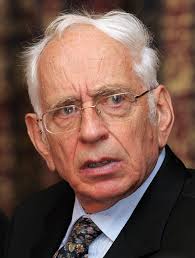

This inventor holds 6 USPTO granted patents, plus 1 CIPO patent and 1 EPO patent. Top assignees: Centre National De La Recherche Scientifique, IFP Energies Nouvelles, Celanese Chemicals Europe Gmbh. Active years: 2003-2015. Nobel Prize laureate.
Data source: USPTO (United States Patent and Trademark Office) public patent records. Weekly synchronization. How IDiyas builds this profile
Company Filing History:
 2 out of 5,383
 2 out of 1,204
 1 out of 42
Years Active: 2003-2015
Title: Yves Chauvin: A Pioneer in Organometallic Chemistry
Introduction
Yves Chauvin, an accomplished inventor from Tours, France, has made significant contributions to the field of organometallic chemistry. With six patents to his name, Chauvin has demonstrated an exceptional ability to innovate and develop new industrial processes that enhance chemical separation methods.
Latest Patents
Among Chauvin's notable inventions is a groundbreaking process for the separation of zirconium and hafnium tetrachlorides from mixtures. This innovative separation method is characterized as simple, inexpensive, and non-corrosive, providing a novel approach to producing fractions enriched with zirconium while maintaining hafnium at a trace level. Additionally, Chauvin has developed complexes and a method for synthesizing group 6 organometallics grafted on anions. These novel compounds are formed through the reaction of at least one borate or aluminate with a group 6 transition metal, enabling their use in catalytic compositions for olefin metathesis methods.
Career Highlights
Chauvin's career features significant roles at renowned organizations such as Ifp Energies Nouvelles and the Centre National de la Recherche Scientifique. His work has positioned him at the forefront of innovations in the chemical industry, showcasing his dedication to advancing scientific knowledge and practical applications.
Collaborations
Throughout his career, Yves Chauvin collaborated with esteemed colleagues, including Gerald Niccolai and Jean-Marie Basset. These partnerships have not only bolstered his research initiatives but have also contributed to the advancement of organometallic chemistry as a whole.
Conclusion
Yves Chauvin's contributions to the field of chemistry through his patents and collaborative efforts exemplify his status as a leading figure in organometallic science. His innovative techniques for separation processes and synthesis methods continue to inspire advancements in the industry, making a lasting impact on both academia and practical applications.
Data source: USPTO (United States Patent and Trademark Office) public patent records. Weekly synchronization. How IDiyas builds this profile