
This inventor holds 2 USPTO granted patents. Top assignee: Hypertherm, Inc.. Active years: 2020.
Data source: USPTO (United States Patent and Trademark Office) public patent records. Weekly synchronization. How IDiyas builds this profile
Company Filing History:

Years Active: 2020
Title: The Innovations of Richard Pavlik
Introduction
Richard Pavlik is an accomplished inventor based in Enfield, New Hampshire. He has made significant contributions to the field of plasma arc processing, holding two patents that showcase his innovative approach to technology. His work is primarily associated with Hypertherm, Inc., a company known for its cutting-edge solutions in plasma cutting systems.
Latest Patents
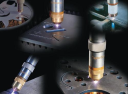
Richard Pavlik's latest patents include "Operating plasma arc processing systems at reduced current and gas pressure levels and related systems and methods." This patent outlines methods for controlling a plasma arc in a plasma torch, allowing for operations at lower current levels. The process involves generating a pilot arc command and transitioning to an operational plasma arc with adjusted current levels.
Another notable patent is "Controlling gas flows to plasma arc torches and related systems and methods." This invention details methods for managing a pneumatic system in plasma arc processing. It includes generating a valve command signal to open a valve and adjusting the operational drive voltage to maintain a steady state operational duty cycle during processing.
Career Highlights
Richard Pavlik has established himself as a key figure in the field of plasma technology through his work at Hypertherm, Inc. His innovative patents reflect his commitment to advancing plasma processing systems. His expertise has contributed to the development of more efficient and effective plasma cutting technologies.
Collaborations
Richard has collaborated with talented coworkers, including Junsong Mao and Shreyansh Patel. Their combined efforts have fostered a creative environment that encourages innovation and the development of new technologies in plasma processing.
Conclusion
Richard Pavlik's contributions to plasma arc processing technology demonstrate his dedication to innovation and excellence. His patents not only enhance the capabilities of plasma cutting systems but also pave the way for future advancements in the field.
Data source: USPTO (United States Patent and Trademark Office) public patent records. Weekly synchronization. How IDiyas builds this profile