
Company Filing History:
 10 out of 2,489
 2 out of 512
 1 out of 1,696
Years Active: 1993-2013
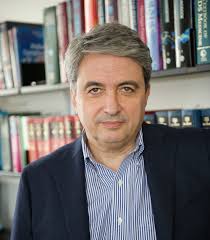
Title: Riccardo Dalla-Favera: Innovator in Cancer Research
Introduction
Riccardo Dalla-Favera is a prominent inventor based in New York, NY, known for his significant contributions to cancer research. He holds a total of 14 patents, showcasing his innovative work in the field of molecular biology and oncology. His research has led to groundbreaking discoveries that have the potential to improve diagnosis and treatment for B cell malignancies.
Latest Patents
Dalla-Favera's latest patents include "Tissue-specific MicroRNAs and compositions and uses thereof," which provides isolated nucleic acid sequences of newly discovered micro RNAs found in normal and tumor-related human B cells. This invention utilizes an integrated bioinformatics method to identify these micro RNAs. Another notable patent is "Isolation of five novel genes coding for new Fc receptors-type melanoma involved in the pathogenesis of lymphoma/melanoma." This invention offers an isolated nucleic acid molecule encoding immunoglobulin receptor proteins, including IRTA1, IRTA2, IRTA3, IRTA4, and IRTA5. The patent also includes methods for detecting and diagnosing B cell malignancies, as well as treating subjects with B cell cancer.
Career Highlights
Dalla-Favera has had a distinguished career, primarily associated with Columbia University, where he has conducted extensive research in cancer biology. His work has been instrumental in advancing the understanding of the genetic factors involved in B cell malignancies.
Collaborations
Throughout his career, Dalla-Favera has collaborated with notable colleagues, including Raju S K Chaganti and Raju S Chaganti, contributing to various research projects and publications in the field of oncology.
Conclusion
Riccardo Dalla-Favera's innovative work and numerous patents have made a significant impact on cancer research, particularly in understanding and treating B cell malignancies. His contributions continue to influence the field and pave the way for future advancements in cancer therapy.